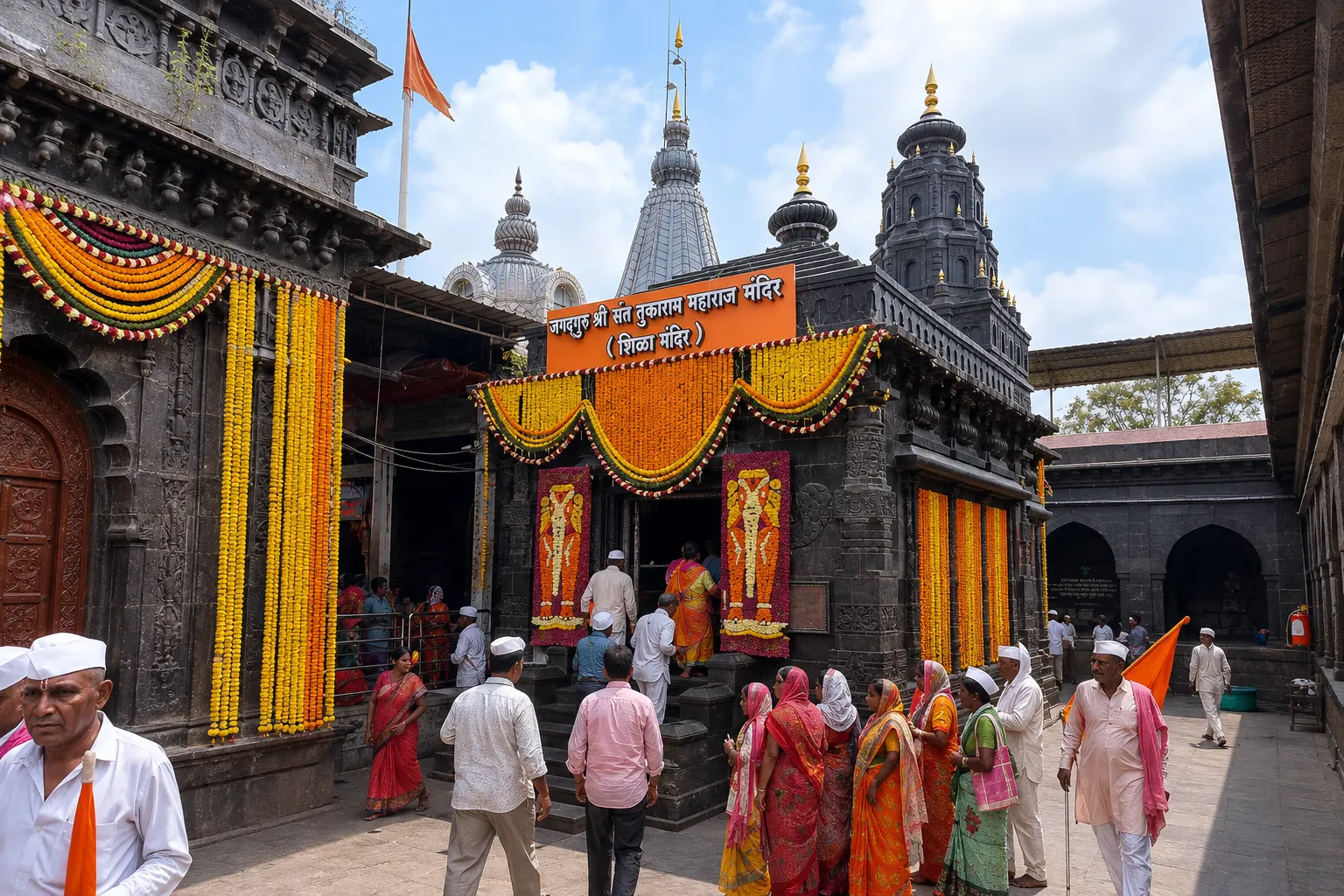
Shree Sant Tukaram Maharaj Sansthan Mandir
“Where Tukaram's voice still moves with the Wari.”
What you may experience here
You do not come to Dehu only to remember a saint.
You come into the living sound of his devotion.
Tukaram's abhangas are still sung. His memory is carried by pilgrims. And each year, his palkhi leaves Dehu and joins the long road toward Pandharpur.
Here, a voice from centuries ago is still moving.
Let devotion become something you can carry.
What is felt here
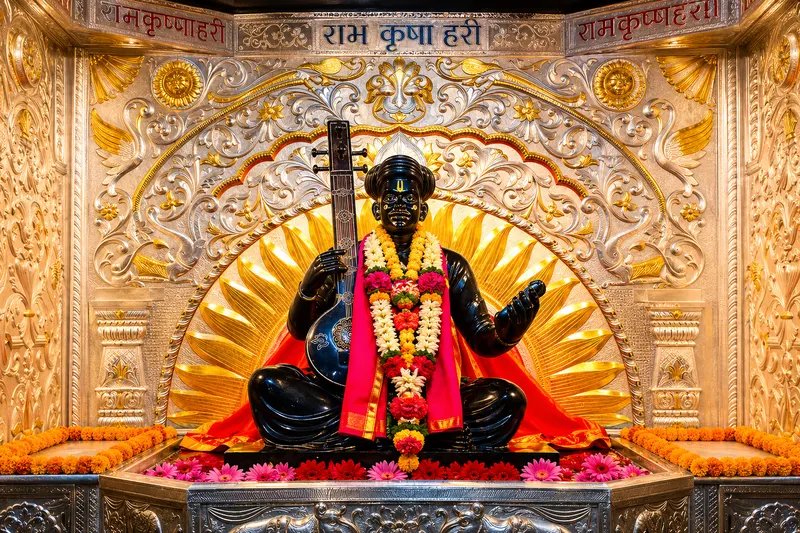

Living Devotion
Tukaram's devotion was not meant to remain on the page. Here, it is still sung, remembered, and carried forward.
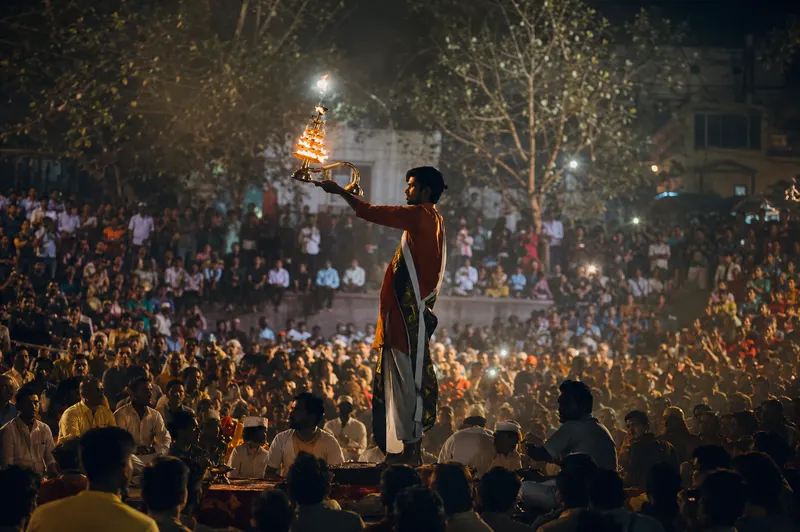

Together
You are entering a tradition carried not by one person, but by generations who sing, walk, remember, and return together.
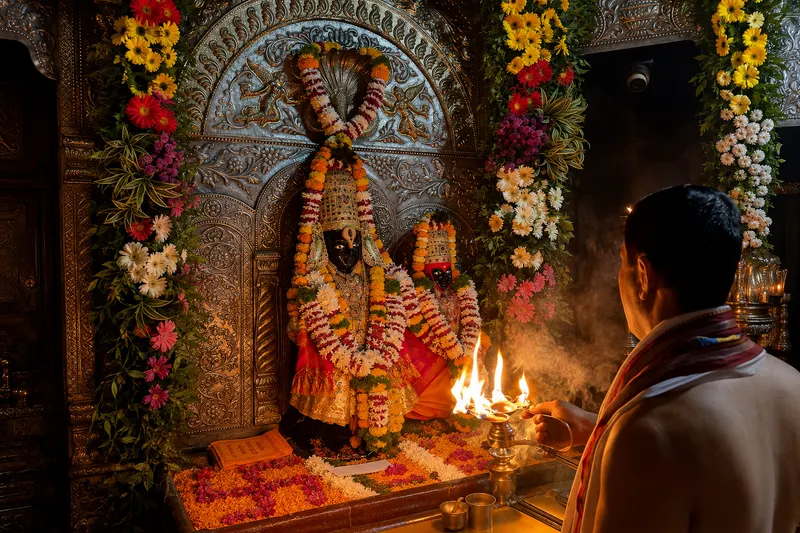

Longing
In Tukaram's words, devotion is often a reaching — toward Vitthal, toward meaning, toward a presence that feels just beyond reach.
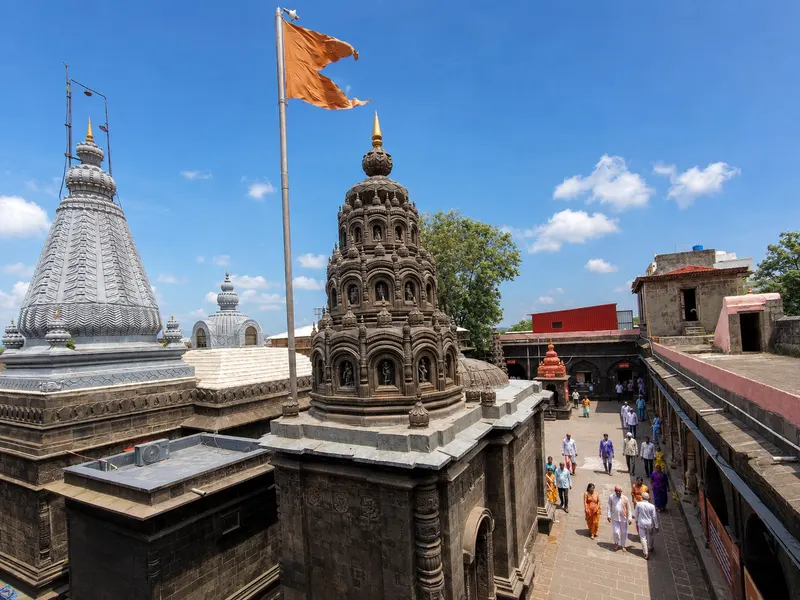

Letting Go
Some things do not need to be solved. They can simply be offered, sung, and released.
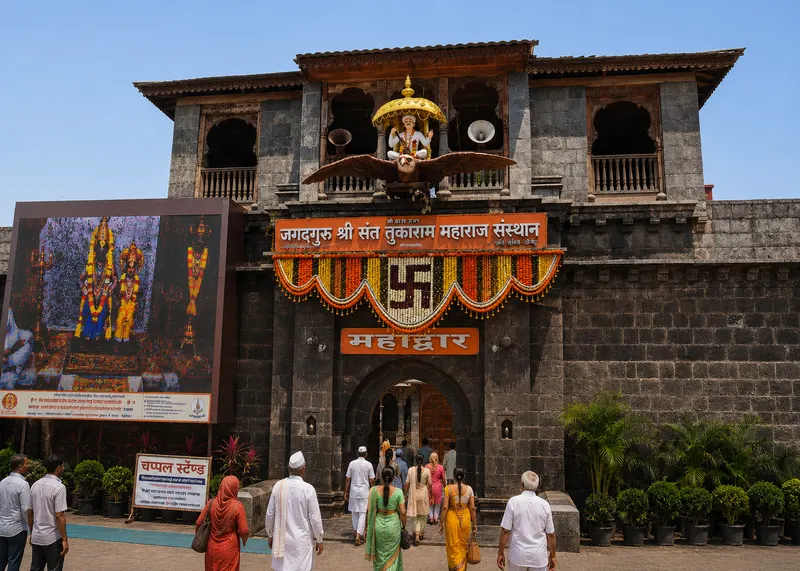

The Journey Continues
What Tukaram gave to one generation continues to travel with thousands of others toward Pandharpur.
A story from this place
Tukaram lived in 17th-century Maharashtra and is closely associated with Dehu, where he was born and where his devotional life unfolded.
His abhangas gave voice to an intensely personal relationship with Vitthal. He wrote about devotion, longing, humility, doubt and surrender in Marathi, in a language that could be sung and shared.
His final days are remembered through devotional tradition as a passage to Vaikuntha. The precise historical circumstances of that departure are less certain, so Wari preserves the distinction between historical reference and devotional memory.
What is unmistakable is what followed.
His words remained alive.
In Dehu, they became part of a living tradition of singing, pilgrimage and collective remembrance. His palkhi continues to leave this place toward Pandharpur.
The saints who walked here
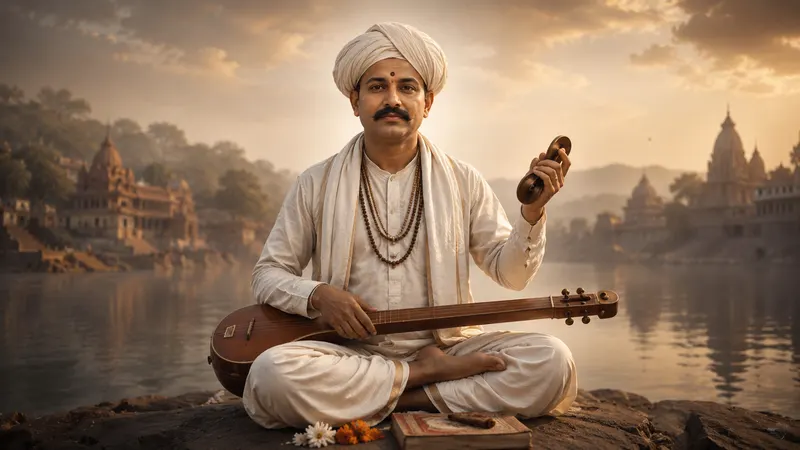
Dehu does not remember Tukaram alone.
His words belong to the people who sing them.
Every year, Warkaris gather here before the journey to Pandharpur. They walk together, sing abhangas, carry the palkhi and keep a long devotional tradition in motion.
What began as one person's devotion has become a shared path.
Your experience there
Listen to Tukaram's voice
If abhangas are being sung, stay and listen.
Offer a moment of devotion
You do not need to know every part of Tukaram's story to spend a quiet moment in remembrance.
Follow the beginning of the Wari
The Tukaram palkhi leaves for Pandharpur, joining thousands of Warkaris on the road toward Vitthal.
Spend time by the Indrayani
Walk toward the river and let the movement of the water slow the movement of your thoughts.
Listen before you look.
If abhangas are being sung, stay for a while.
Notice how quickly a song becomes something shared — a voice becomes many voices, and a memory becomes a journey.
Find your way there
Come for the shrine. Stay for the journey.
Opening Hours
Open in 6 hoursDaily Darshan
5:00 AM – 10:00 PM
Mahapuja at 5:00 AM. Evening Aarti at 7:00 PM.
Peak intensity
In 3 monthsTukaram Maharaj Palkhi Sohala / Ashadhi Wari — June/July
The Tukaram palkhi leaves Dehu toward Pandharpur, bringing large crowds, devotional singing and intense pilgrimage activity.
Tukaram Beej Utsav / Vaikuntha-gaman celebration — February/March
Dehu gathers around the devotional remembrance of Tukaram's departure to Vaikuntha.
Tukaram Maharaj Janmotsav — January/February
Dehu celebrates the birth of Sant Tukaram Maharaj through devotional programmes and gatherings.
Quiet visit
Outside the major Wari and festival periods, Dehu can offer more space to encounter Tukaram at a slower pace. The devotional life does not disappear when the crowds do. Daily prayer, recitation and the presence of the river remain part of the place.
Official website
Location Tips
Dehu is a living pilgrimage town rather than a conventional tourist attraction. During Ashadhi Wari and major festivals, expect dense crowds, changes to local circulation and significant devotional activity. Outside those periods, allow time to explore the Temple surroundings and the Indrayani riverfront rather than treating the visit as a quick stop.
What stayed with you after discovering this place?
From Dehu, Tukaram's words still walk toward Pandharpur.