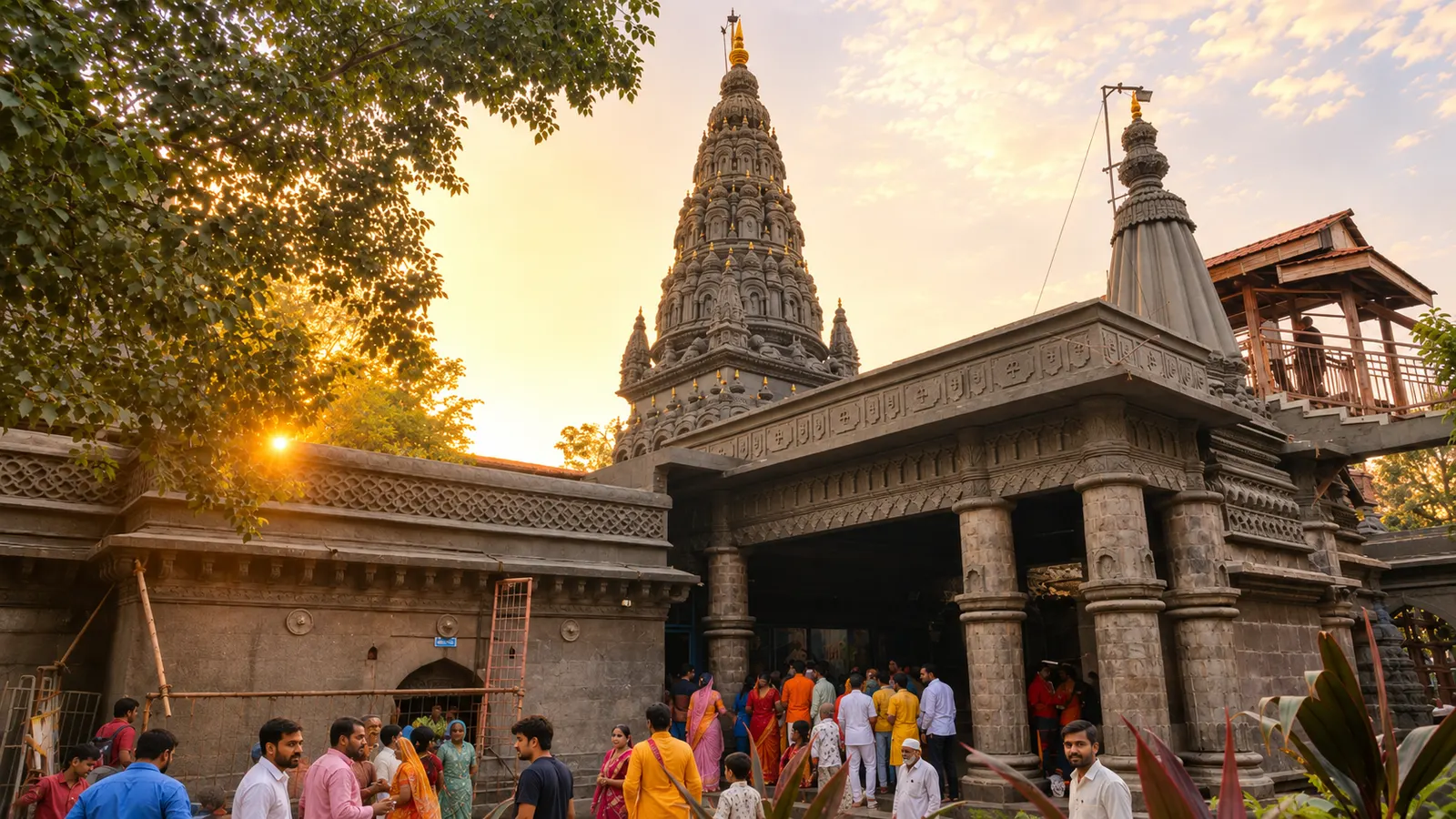
Sant Dnyaneshwar Maharaj Samadhi Mandir
“Where a young saint's silence became a path still walked together.”
What you may experience here
You do not come here only to remember someone who lived long ago.
You come into a living rhythm: the reading of the Dnyaneshwari, the movement of pilgrims, the sound of prayer, and the Indrayani flowing nearby.
At Alandi, Jnaneshwar is remembered as Mauli — a name of tenderness and reverence. His presence is carried not only through a shrine, but through a community that continues to sing, walk, and return.
Let wisdom become something you can walk with.
What is felt here
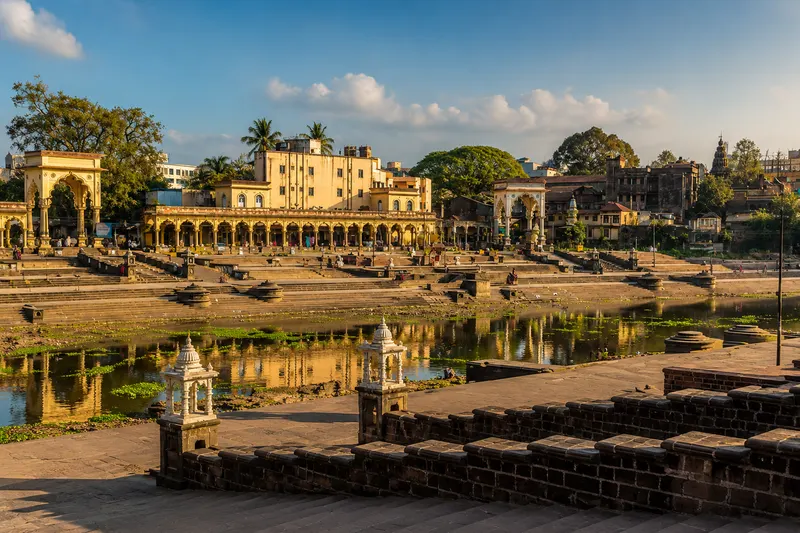

Stillness
The quiet here does not feel empty. It feels held.
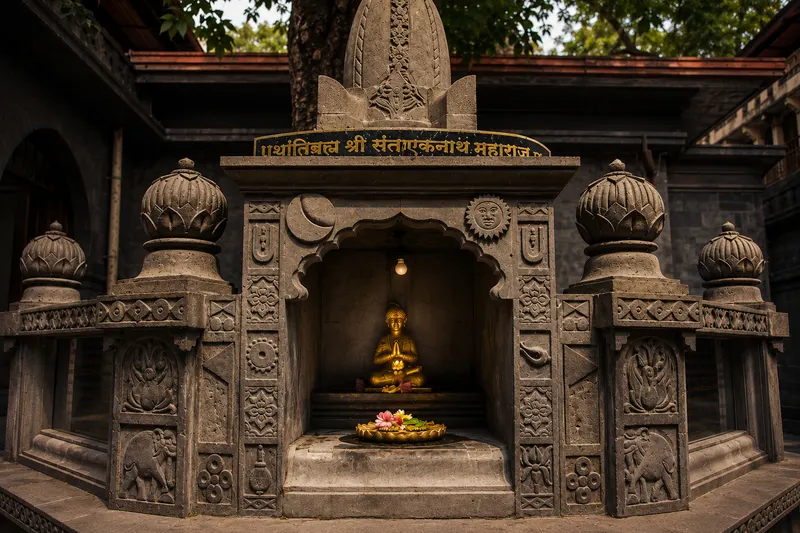

Reverence
You arrive at a place where devotion has been gathered for centuries.
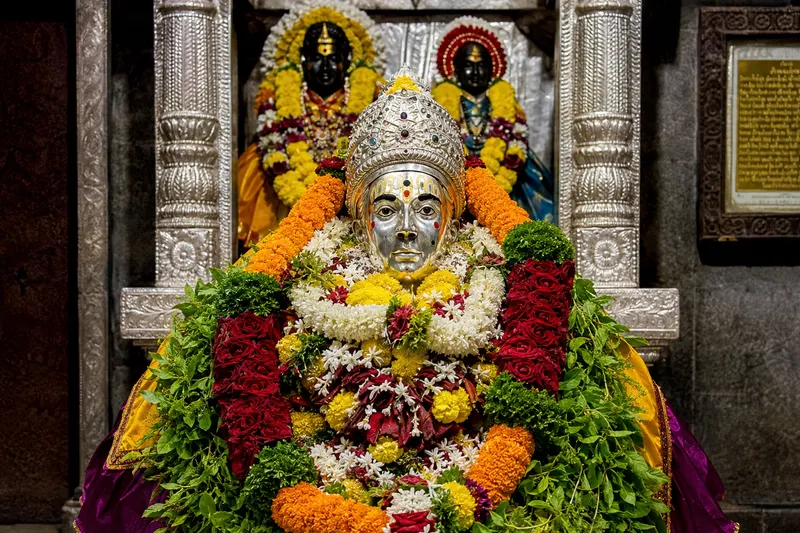

Devotion
The words of the Dnyaneshwari move from a book into prayer, song, and presence.
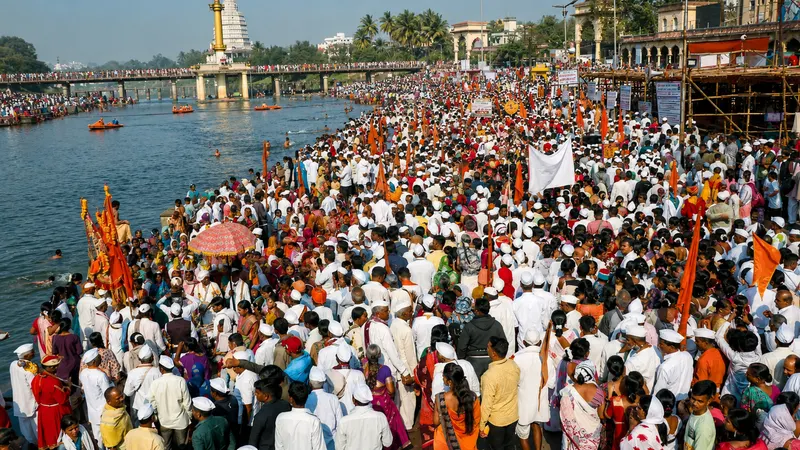

Belonging
The saint is remembered not alone, but through the voices, footsteps, and care of a living community.
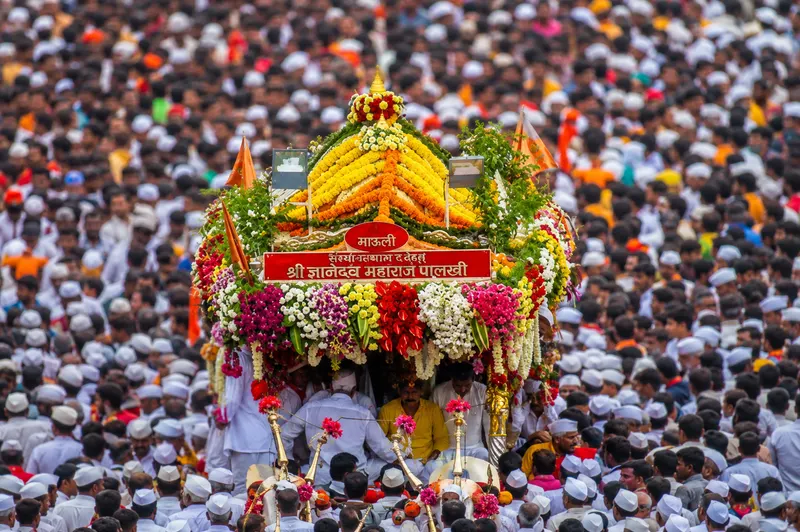

Hope
The Wari begins again: what one life offered can still become a path for many.
A story from this place
According to Varkari devotional tradition, Jnaneshwar entered sanjeevan samadhi at Alandi in 1296, while still very young.
For devotees, this is not understood simply as an ending. It is the source of a continued presence — one that is remembered in the shrine, in the Dnyaneshwari, and in the palkhi that leaves Alandi each year for Pandharpur.
Wari does not present the spiritual mechanics of sanjeevan samadhi as historical fact. What is historically and culturally visible is the enduring sacred place that grew around Jnaneshwar's memory, and the pilgrimage tradition that continues to begin here.
The saints who walked here
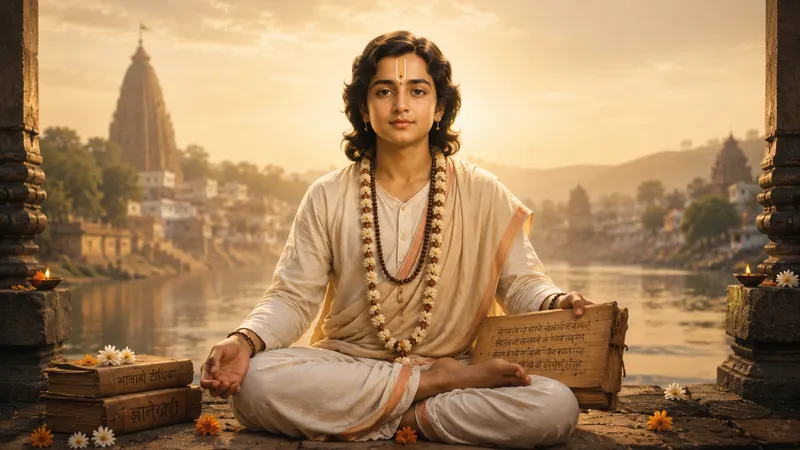
Every year, Alandi becomes a beginning.
The padukas of Jnaneshwar leave the town in palkhi procession toward Pandharpur, joined by Warkaris who walk, sing abhangas, and travel together.
The journey makes a simple truth visible: a saint's teaching can become a shared way of moving through the world.
Your experience there
Offer a moment of reverence
Approach the samadhi mandir with the same unhurried attention that pilgrims bring to their darshan.
Listen for the Dnyaneshwari
The reading of Jnaneshwar's Marathi commentary remains part of Alandi's living devotional rhythm.
Follow the beginning of the Wari
During the Ashadhi season, witness or join the collective departure toward Pandharpur.
Spend time by the Indrayani
The nearby ghats offer a quieter space for reflection after the intensity of the mandir.
Pause before trying to understand everything.
Listen to the recitation. Notice the people who have come with their own prayers. Then walk to the riverbank and let the place meet you at its own pace.
Find your way there
This is a living pilgrimage town. Give yourself time to arrive slowly.
Opening Hours
Open in 7 hoursDaily Darshan
6:00 AM – 9:00 PM
Rituals begin earlier in the morning.
Entry Fee
No entry fee is required for darshan.
Peak intensity
Happening nowAshadhi Ekadashi / Sant Dnyaneshwar Palkhi — June/July
The Sant Dnyaneshwar palkhi departs from Alandi toward Pandharpur, bringing the town into an intense period of collective pilgrimage.
Kartiki Ekadashi — October/November
A major devotional gathering brings pilgrims back to Alandi for prayer, remembrance and celebration.
Quiet visit
Outside the major Wari and Ekadashi periods, Alandi can offer more space for unhurried reflection while its daily devotional life continues.
Location Tips
Alandi is an active pilgrimage town on the Indrayani River. Expect larger crowds during major Ekadashi and Wari periods, and allow extra time for queues and local traffic.
What stayed with you after discovering this place?
From Alandi, a journey begins again — carrying wisdom in the footsteps of a community.